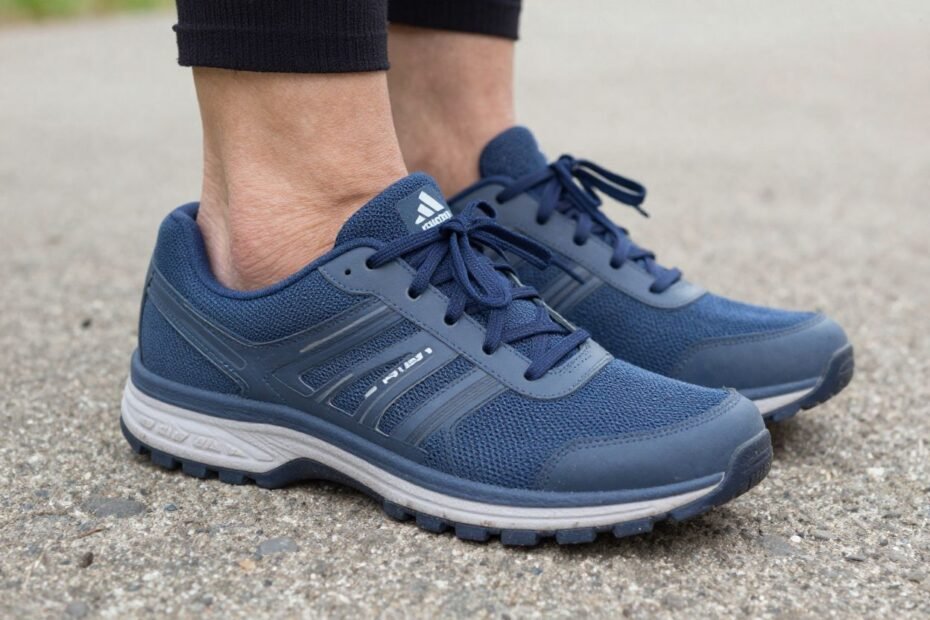
You already know that a “cute” pair of shoes can feel very different at the end of the day than it did in the store. After 50, that gap between looks and comfort tends to get even wider. The right walking shoes are not a nice little upgrade, they are part of how you protect your feet, your balance, and your daily energy.
As we age, feet often change shape. Arches can flatten, toes may drift or crowd, and the natural padding under the heel and ball of the foot can feel thinner. You might notice more soreness after errands, more stiffness in the morning, or that old favorites suddenly feel too tight. If your shoes ignore those changes, your feet will remind you, usually with pain.
Mobility also starts to feel more precious. Maybe you are walking for exercise, keeping up with grandkids, caring for family, or working on your feet. A fall or a bad flare of foot pain can sideline those plans. Supportive walking shoes can help your body stay steady and reduce strain on your knees, hips, and lower back so walks feel safer and more enjoyable.
Lifestyle plays a big role too. Many women over 50 need shoes that can handle long supermarket runs, travel days, neighborhood walks, and casual outings, often in the same week. You may need something you can stand in for hours, that still looks good with jeans or casual pants, and that you can slip on and off without a wrestling match.
Here is the bottom line.
The right walking shoes can mean less pain, better balance, more confidence, and more freedom to do what you love.
This guide will walk you through what to look for in 2025, with a clear focus on the needs of women over 50. You will learn which features actually matter for comfort and stability, how different types of walking shoes fit different days, and how to choose pairs that respect your feet without sacrificing your style. You deserve shoes that work as hard as you do.
Key Features To Look For In Walking Shoes Over 50
When your feet, joints, and balance matter more than ever, the details of a walking shoe start to really count. Here are the features that usually make the biggest difference for women over 50.
Cushioning That Protects, Not Smothers
Good cushioning should feel soft enough to absorb impact, but not so squishy that you sink and wobble. Look for shoes with a supportive midsole that feels comfortable under the heel and ball of the foot. This can ease pressure on thinner fat pads, reduce soreness after long days, and help your knees and hips feel less beaten up after a walk.
Arch Support That Matches Your Foot
Arches often drop with age, which can lead to tired, achy feet. Supportive walking shoes should gently lift your arch so your foot does not collapse inward. This can calm nagging aches in the arch, ankle, or inner knee. If you use orthotics, make sure the shoe has a removable insole and enough depth to fit them comfortably.
Stability And Slip Resistance For Safer Steps
As balance changes, a stable base matters more. Look for:
- A wider, steady sole that does not rock side to side.
- Firm heel support that keeps your heel from sliding around.
- Slip resistant outsoles with a clear tread pattern for traction on wet sidewalks, smooth floors, or uneven paths.
These features can reduce the risk of stumbles and help you feel more confident on different surfaces.
Breathable, Lightweight Uppers
Feet can swell more with age, especially in warm weather or after long periods of standing. Lightweight, breathable materials help keep feet cooler and more comfortable. A lighter shoe also asks less of your legs and back, which can make longer walks and travel days feel easier.
Easy On, Easy Off: Slip Ons And Adjustable Closures
If bending, gripping, or tying laces feels like a chore, pay close attention to how the shoe goes on your foot.
- Slip ons can work well if they still hold your heel securely and do not feel loose.
- Adjustable closures such as straps, bungee lacing, or hook and loop styles let you fine tune the fit for swelling or sensitive areas like bunions.
The goal is simple. You want a shoe you can put on without a struggle that still gives you a snug, supportive fit for every step.
Common Foot And Mobility Concerns Over 50 And How The Right Shoes Help
By 50 and beyond, many women start to feel very specific foot and mobility issues. The right walking shoes cannot cure these problems, but they can calm them down and help you stay active with less pain and less worry.
Arthritis And Stiff, Achy Joints
Arthritis in the toes, midfoot, or ankle can make every step feel sticky or sore. You may notice stiffness when you first get up, discomfort on hard floors, or pain when you push off your toes.
Shoe features that help:
- Shock absorbing cushioning to soften impact on tender joints.
- A stable sole with gentle flex so the shoe bends where your foot naturally bends, without twisting.
- Roomy toe box to reduce pressure on stiff or enlarged joints.
Plantar Fasciitis And Heel Pain
That sharp or burning pain in the heel or arch, especially with your first steps in the morning, is a classic sign of plantar fasciitis. Poor support can make it worse and turn simple walks into something you dread.
Shoe features that help:
- Firm, supportive arch so the plantar fascia does not overstretch.
- Heel cushioning that feels soft yet stable under the back of the foot.
- Secure heel fit that keeps the foot from sliding and straining the arch.
Balance Problems And Fall Risk
Changes in muscle strength, vision, and nerve sensation can all affect balance. If you feel wobbly on uneven sidewalks or nervous on slick floors, your shoes matter more than ever.
Shoe features that help:
- Low, stable profile instead of high, narrow soles.
- Good traction on the outsole for grip on different surfaces.
- Secure closure so the shoe stays with your foot, not a loose, floppy fit.
Bunions, Hammertoes, And Sensitive Toes
Bunions and toe deformities often appear or worsen with age. Tight, pointed shoes can rub these areas and leave you with hot spots, redness, and throbbing by the end of the day.
Shoe features that help:
- Wide or anatomical toe box that lets toes lie flat instead of cramped.
- Soft, forgiving uppers with minimal seams over bony spots.
- Adjustable straps or laces so you can loosen the forefoot without losing support elsewhere.
Swelling And All Day Wear
Swelling around the ankles or across the top of the foot is very common, especially with long periods of sitting or standing. Shoes that feel fine in the morning can feel like a vise at night.
Shoe features that help:
- Adjustability in the midfoot and forefoot to accommodate day to night changes.
- Soft, breathable materials that give a little without losing shape.
- Removable insoles so you can create more depth if you need it.
The right walking shoes work like quiet support staff for your feet. They reduce strain where you are vulnerable, protect your balance, and help you focus on your walk, not your pain.
Different Types Of Walking Shoes And Sneakers For Women Over 50
Not every day calls for the same shoe. The best choice depends on how long you will be on your feet, what surfaces you are on, and how dressed up you want to look. Here is how the main types of walking shoes and sneakers fit into real life for women over 50.
Cushioned Walking Shoes For Daily Walks
Cushioned walking shoes focus on impact protection and steady support. These work well if you take regular walks for exercise, go on neighborhood strolls, or do longer sightseeing days on vacation.
- Look for a supportive midsole that feels springy, not marshmallow soft.
- Choose a moderate heel height that keeps your foot level and stable.
- Prioritize a roomy toe box if you are on pavement or hard floors often.
Use this type for planned walks, gentle fitness routines, and active errands where you know you will cover some distance.
Supportive Sneakers For Mixed Activities
Supportive sneakers work well if your day includes a bit of everything, such as walking, light chores, and casual social plans. They often provide a firm base with good cushioning and a secure upper.
- Pick structures that feel stable side to side if you pivot, turn, or move quickly.
- Check that the heel sits snug so your foot does not slip when you speed up.
- Choose styles that pair easily with jeans, casual pants, or athleisure outfits.
Use supportive sneakers when you want one shoe that can handle walking, standing, and casual wear without looking like a pure “walking shoe.”
Slip Ons For Convenience And Travel
Slip ons are helpful if you dislike laces or have trouble bending. They are great near the house, for quick errands, or for travel days when you need to get in and out of shoes more often.
- Make sure the heel grips well so the shoe does not flap or slide.
- Look for elastic panels or adjustable features so you can fine tune the fit.
- Avoid very loose, floppy slip ons if you already notice balance changes.
Use slip ons for shorter walks, airport lines, and times when ease of on and off is just as important as support.
Orthopedic Friendly Styles For Sensitive Feet
Orthopedic friendly shoes focus on support, depth, and adjustability. These can work well if you use custom orthotics, have bunions or hammertoes, or deal with ongoing foot pain.
- Choose designs with removable insoles and generous depth.
- Look for extra width options if your feet have widened or if swelling is common.
- Prioritize soft uppers with minimal seams in the forefoot.
Use this category for longer days, chronic foot issues, or any time comfort and support outrank everything else.
Lightweight Designs For All Day Standing
Lightweight walking shoes help when long days leave your legs and back tired. Less weight on your feet can make a big difference if you stand a lot, even if you are not walking far.
- Pick shoes that feel almost “barely there” in weight, but still supportive at the arch and heel.
- Check that the sole has enough cushion for hard floors.
- Pair with cushioned, moisture wicking socks for extra comfort.
Use lightweight styles for work shifts on your feet, chores at home, or days when you are mostly standing in one spot and want to avoid that heavy, dragging feeling by evening.
Tips For Finding Comfortable And Stylish Walking Shoes
You do not have to choose between happy feet and shoes that look like they came from the back of a medical catalog. With a little strategy, you can get comfort, support, and a style that actually feels like you.
Start With Fit, Not The Mirror
A good walking shoe should feel comfortable the moment you put it on. There should be enough room to wiggle your toes, no pinching at the sides, and no rubbing at the heel. Aim for about a thumb’s width of space between your longest toe and the front of the shoe. If you wear inserts, bring them and check that the shoe still fits smoothly.
Try Shoes At Different Times Of Day
Feet often swell as the day goes on. If you only try shoes in the morning, you can end up with a pair that feels tight and unforgiving by late afternoon. Whenever possible, test shoes later in the day or at least recheck the fit after you have been on your feet for a while. If they are already snug, size or width may need to change.
Test Support And All Day Comfort
Do not just stand still in the store. Walk on different surfaces if you can. Pay attention to:
- Arch support, does your arch feel gently lifted and secure, not strained or collapsing.
- Heel stability, your heel should feel cradled, not sliding or wobbling.
- Cushioning, you want shock absorption without feeling like you are walking on a sponge.
If any spot feels “off” in the first few minutes, it usually feels worse after a few hours.
Use A Simple Comfort Check For Extended Wear
Before you commit, use a small test routine. For example:
- Wear the shoes indoors for [insert time frame] and walk at your normal pace.
- Notice any pressure points at toes, bunions, or the top of the foot.
- Check in with your knees, hips, and lower back to see how supported you feel.
If you are thinking about the shoes more than your walk, they are probably not right.
Balance Function With Fashion
You are allowed to care about style. Look for walking shoes in neutral colors you like, with clean lines that work with jeans, casual pants, and simple dresses. Small style choices, such as a slimmer profile, subtle patterns, or a nicer finish on the upper, can help a supportive shoe feel more polished. Start with your comfort needs, then choose the version that makes you feel confident when you look down at your feet.
Additional Tips For Foot Health And Walking Comfort
The right shoes do a lot of work, but your daily habits matter just as much. A simple routine can keep your feet happier, your walks more comfortable, and your favorite shoes performing the way they should.
Create A Simple Foot Care Routine
You do not need a spa day. You just need consistency.
- Wash and dry carefully, especially between the toes, to reduce irritation and skin problems.
- Moisturize the heels and soles, but keep the area between toes dry so things do not stay damp.
- Trim nails straight across and not too short to lower the chance of ingrown nails.
- Check your feet regularly for redness, calluses, blisters, or changes in shape that might affect your shoe fit.
Think of this as your quick “foot check” that helps you catch small issues before they turn into real pain.
Choose Socks That Support Your Walk
The wrong socks can undo a lot of good shoe features. Look for:
- Moisture wicking fabrics instead of heavy cotton, to keep feet drier and more comfortable.
- Light to moderate cushioning at the heel and ball of the foot for extra protection.
- Seam placement that does not irritate toes, especially if you have bunions or hammertoes.
- Gentle compression options if swelling is common, as long as they feel comfortable and easy to put on.
Try new shoes with the same type of socks you plan to wear for walking so the fit feels accurate.
Know When To Replace Your Walking Shoes
Even the best shoe has a lifespan. Over time, cushioning flattens and support breaks down. Pay attention to:
- New aches in your feet, knees, or hips that appear even though your routine has not changed.
- Outsoles that look worn smooth or uneven on one side.
- Uppers that feel stretched out so your foot slides around.
Use a simple habit. When you buy a new pair, jot the purchase date somewhere. If they start to feel tired or less supportive after [insert time frame], they probably need to retire from long walks and become short errand shoes.
When To Talk With A Podiatrist
You do not need to push through constant pain. Consider seeing a podiatrist if you notice:
- Ongoing heel, arch, or forefoot pain that does not improve with rest and better shoes.
- Visible changes in foot shape, such as worsening bunions or collapsing arches.
- Numbness, tingling, or burning in the feet.
- Frequent falls or feeling unsteady, even in supportive shoes.
A podiatrist can evaluate your feet, suggest specific features to look for, and let you know if custom orthotics or medical treatment would help. Think of this as getting expert backup so your shoe choices are working with your feet, not against them.
Conclusion: Put Your Comfort And Needs First
If there is one message to take with you, it is this. Your walking shoes should serve your body, not the other way around. After 50, your feet have earned a say in what you wear. When you listen, walking gets easier, pain settles down, and daily life feels more open instead of limited by discomfort.
The right pair gives you more than a soft insole. It supports your arches, steadies your steps, and respects common changes like bunions, swelling, and joint stiffness. That means fewer aching evenings, more confidence on uneven ground, and more energy left for the people and activities you care about.
Good walking shoes are part of your health plan. They help protect your balance, ease pressure on your knees and hips, and keep you moving with less strain. That regular walk around the block, that trip through the store, that day of sightseeing, those all become more realistic and more enjoyable when your feet feel secure and supported.
You also do not have to give up your personal style. You can choose colors and designs that feel like “you,” as long as the fit, support, and stability boxes are checked first. Comfort is not a sign of “giving in,” it is a sign that you know what your body needs and you are willing to honor it.
You deserve walking shoes that match the life you want to live now, not the one you had decades ago. Use what you have learned here as a checklist when you shop. Pay attention to how your feet feel, trust your comfort level, and give yourself permission to leave any pair behind that does not feel right, no matter how cute it looks on the shelf.
Prioritize comfort, support, and your own needs every time you choose walking shoes. Your feet work hard for you every single day. The best way to thank them is with shoes that help you stay active, steady, and ready for whatever you decide to do next.